IGF-1
$117.00Insulin-like Growth Factor 1. Measures a protein that mediates the effects of growth hormone. Used to assess growth hormone status.

Showing 49–64 of 86 results
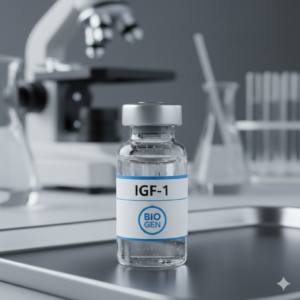
Insulin-like Growth Factor 1. Measures a protein that mediates the effects of growth hormone. Used to assess growth hormone status.

Measures the hormone responsible for moving glucose from the bloodstream into cells. Key for assessing insulin sensitivity and metabolic health.

Luteinizing Hormone. A pituitary hormone that signals the production of sex hormones. Essential for fertility and reproductive health assessment.

Measures an enzyme essential for fat digestion. Highly specific marker for pancreatic health and inflammation.

Assesses cardiovascular risk by measuring total cholesterol, HDL, LDL, and triglycerides. A key marker for heart health and diet monitoring.
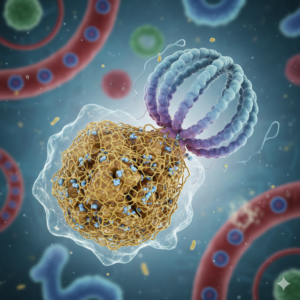
Lp(a). Measures a specific lipoprotein particle that is an independent, often genetic, risk factor for cardiovascular disease.

Measures the natural killer (NK) cells expressing CD57. Often used as a functional marker to assess chronic Lyme disease activity.

Measures levels of this vital mineral involved in over 300 enzyme reactions, including muscle function, nerve transmission, and energy production.

Genetic testing for common MTHFR mutations. Used to assess folate metabolism efficiency.

Measures a protein released upon neuronal injury. Used as an advanced biomarker for central nervous system damage and neurodegenerative health.

Nuclear Magnetic Resonance (NMR) Lipoprotein Profile. Provides a detailed count of cholesterol particle numbers and sizes for advanced cardiovascular risk assessment.
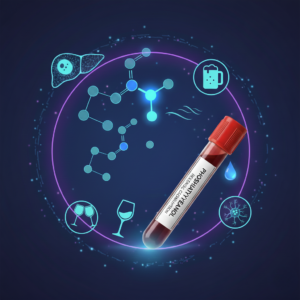
Measures a specific biomarker formed in the presence of alcohol. Used as a sensitive indicator of recent alcohol consumption.

Key female reproductive hormone involved in cycle regulation and balancing estrogen. Also important for sleep and mood.

Measures a hormone produced by the pituitary gland. Used to assess reproductive function, particularly in cases of fertility issues or abnormal cycles.

A combination calculation using PSA variants. Provides a more accurate assessment of prostate cancer risk than PSA alone.
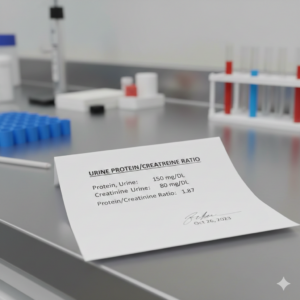
Measures protein levels relative to creatinine in urine. Used to screen for early kidney damage and protein leakage.
End of content
End of content
Notifications